Jesus All Over Leviticus

nailed-to-the-cross-1

My best friend from Jr.High School was Jewish. I remember her family celebrating things like Yom Kippur and Hanukkah. I remember them praying and singing in Hebrew, fasting, and making weird food on Friday nights. I remember going to synagogue with her, and feeling so religious, so close to God even though I had no idea what their Rabbi was saying or why they read their bibles in the wrong direction.

I am so fond of those of memories the days before Easter, so tender towards my friends that practiced the Passover meal and Shabbat. I love looking back to remember, as I prepare my heart for what’s ahead.

The days before Good Friday, I find myself lingering in the book of Leviticus. I know, not exactly the place most people spend their devotional time, but I can’t help it in this season. The old traditions, the feasts and festivals, the guilt offerings, the peace offerings, the sin offerings, they’re all a picture of what was, what is, and what is to come.

Usually Leviticus gets a bad wrap from Christians, the book where all the “read through the Bible in year” people go to die. Leviticus is known as the book of laws and rules and rituals that we modern-day-too-busy-to-meditate-and-discover-meaning-on-our-own-people skip right over. I mean, what does a grain offering and feast of booths really have to do with us?

Everything. It has everything to do with us. It has everything to do with Jesus, Good Friday, and Easter. Jewish friends, traditions, and Leviticus have everything to do with Easter.

As I study Jewish traditions, laws, feasts, festivals, and offerings, I grow more and more convinced we can’t fully understand Jesus without Leviticus. I see so much more in Leviticus than boring, historical laws and festivals.

I see Jesus all over Leviticus.

I read through Leviticus with new eyes, eyes that appreciate what my Jewish friend’s family showed me, but eyes that see beyond just tradition, eyes that see Jesus, the Holy root. The one who came to fulfill the law. The One whom these traditions, celebrations, feasts, offerings, all foreshadowed.

The words that are repeated all over Leviticus have everything to do with Jesus:

Offering
Male
Without blemish
Atonement
Pleasing aroma
Firstfruits
Portion
Sacrifice
Kill
Blood
Anointed priest
Guilt
Sin
In place of
Bear his iniquity
Restore
Become holy
Flesh
Unclean
Washed with water
Holy crown
Tabernacle
Consecrated
Sanctified
Glorified
Purification
Cleansing
Holy place
Inside the veil
Mercy seat
Redeem
Blessing
Covenant

Jesus is all of these things. He is our High Priest, He is our offering, His blood is our atonement, a pleasing aroma, God’s firstfruits, He is our sacrifice, His death is in place of ours, He bore our iniquity, our flesh was unclean, He washed us with Living Water, restored us, consecrated us, sanctified us, invites us to dwell in the Holy place, tore the veil, redeemed us, and blessed us in the New Covenant.

Jesus is all over Leviticus. Jesus fulfills Leviticus. Jesus is the better way, the better fragrance, the better priest, the better offering, the complete sacrifice.

This Easter, don’t skip over Leviticus. Read through it. Slow down, observe, remember. Celebrate the Passover, mourn Good Friday, be still on Holy Saturday, and stand in hope on Resurrection Sunday. Look for Jesus in Leviticus and be filled with His presence all over.

Such a high priest truly meets our need—one who is holy, blameless, pure, set apart from sinners, exalted above the heavens. (Hebrews 7:26)

You were not redeemed with perishable things like silver or gold from your futile way of life inherited from your forefathers, but with precious blood, as of a lamb unblemished and spotless, the blood of Christ. (1 Peter 1:18-19)


Learning to Kiss the Wave

Wave

I walked into a room full with nearly 300 women, hungry, eager, craving to connect to each other and learn from God’s Word. I couldn’t believe my eyes–it was my greatest fantasy come true! 

We started off by going around the table to introduce ourselves. One by one, each of them shared who they were by sharing about their job, the number of years they’ve been married, and the number of children they have. At a table of 12 women, I realized I was the only one without children. 

While they were proudly identifying with their motherhood, I was becoming more aware of my barrenness…and began identifying with fear and insecurity. Immediately, I thought, “How do I get out of this? Can I run? Can I hide under the table? Can I fake an illness? Maybe I’ll just pretend to pass out, or that I’m receiving a phone call–quick, woman, think!!!” 

When my turn inevitably came around, I skipped over the awkward by identifying myself as “not a ballerina” and confessing my addiction to books.

I’m just so clever when I’m forced to think on my feet. 

We moved on to the next woman, and no one noticed we never got to the question about children for me–I never had to say the words, “I have no children.

WHILE THEY WERE PROUDLY IDENTIFYING WITH THEIR MOTHERHOOD, I WAS BECOMING MORE AWARE OF MY BARRENNESS…AND BEGAN IDENTIFYING WITH FEAR AND INSECURITY.

After months of being at peace with infertility (mostly out of relief from stopping all the crazy doctor stuff and my hormones finally weren’t raging anymore) the grief, the shame, the embarrassment, the insecurity, and the awareness all resurfaced again that day.

I watched a new mom holding her tiny newborn, another woman walk by with her baby bump, and another begin to nurse. I felt so alone.

Alone. Outcast. Different. Insecure.

Seems like most days walking through infertility isn’t so hard. Most days, it’s not even on my mind. It’s just a “not yet” or a “someday, LORD willing,” hope-filled thought. Then there are days where I am surrounded by hundreds of moments that remind me of what I am not, days where grief comes like a tidal wave. In Sara Hagerty’s book Every Bitter Thing is Sweet, the author talks about her journey through infertility and reminds us that “grief’s tide can’t be predicted.” She shares how grief is like rain; some days have a light drizzle that you hardly notice, other days a gushing downpour.

Usually, in my suffering, I want to run away and feel sorry for myself. I want to believe the lie that I am an outcast, a leper, that no one, no one, understands. I feel alone and start believing the lies that my story is unique and my pain is too severe for anyone to understand. Rather than going to God in those moments and looking upward, I pull away and start looking inward.

MY IDENTITY DOESN’T RESIDE IN MY JOB, MY MARRIAGE, AND MY BARRENNESS.  MY IDENTITY IS IN CHRIST.

Most of us want to run from our pain–it’s only natural. We touch something hot, we pull back; we get a headache, we pop an Advil. We don’t naturally desire to lean into the pain. But God’s way is supernatural. And that day, my heart was breaking and being comforted at the same time. 

I didn’t expect the grief to come that day. Infertility was something I thought I was at peace with–a light drizzle in the background–but instead, the grief came as a full on hurricane, overcoming me like a tidal wave.

As I fought to keep from believing lies, I was reminded of the gospel. I am not an outcast, I have been grafted in (Rom. 11). I am not forgotten or alone, I am chosen and loved (Eph. 1:4). I am not a product of my past mistakes or being punished for my past sin, I am a new creation in Christ (2 Cor. 5:17). My identity doesn’t reside in my job, my marriage, and my barrenness.  My identity is in Christ.

Charles Spurgeon is quoted saying, “I have learned to kiss the wave that slams me into the Rock of Ages,” and it’s true; I am never more aware of God than when I’m drowning in the midst of pain and overwhelmed by circumstances outside of my control. It’s through the pain and grief that I’m pushed up close to the presence of God.

I HAVE LEARNED TO KISS THE WAVE THAT SLAMS ME INTO THE ROCK OF AGES

Suffering isn’t meant to knock us over; it’s meant to anchor us in. Pain takes us to a deeper place of healing, sending us to our very knees, where we can know the God of all comfort and the Prince of Peace in ways we never thought possible. Though we may often wish suffering away, God uses it to draw us near. 

So when God desired to show more convincingly to the heirs of the promise the unchangeable character of his purpose, he guaranteed it with an oath, so that by two unchangeable things, in which it is impossible for God to lie, we who have fled for refuge might have strong encouragement to hold fast to the hope set before us. We have this as a sure and steadfast anchor of the soul. (Hebrews 6:17-19a)

I’m learning to trust His purpose, not my plan.
I’m learning to find refuge in His love, not in trying to control my circumstance.
I’m learning to hunger for more of God, not for more of my own comfort or the comfort from others.
I’m learning to lean in, rather than pull back
I’m learning to hold fast to the hope set before me, in the midst of the storm.
I’m learning to anchor my soul to the Rock of Ages.

I’m learning to kiss the wave.

One who is full loathes honey, but to one who is hungry everything bitter is sweet.  (Proverbs 27:7).

*This post was originally published at SelfTalktheGospel.com. You can read more of my articles here.

Spiritual Discipline #1: Bible Study

Last Tuesday we launched our 8 week study on spiritual disciplines.  Week 1 is the topic of bible study.   Donald Whitney says of bible study “No other Spiritual Discipline rivals the importance of the intake of God’s Word. No other Spiritual Discipline can compensate for the lack of it. Without feasting on the food of Scripture, no one will enjoy a growing, healthy Christlike life.”

In her book Women of the Word, author Jen Wilkin says “the heart cannot love what the mind does not know”.  How can we love God without knowing Him through His word?  Jen Wilkin goes on to show us some of the counterproductive ways we approach bible study.  For most of us, we know we’re “supposed to” enjoy bible study, find it meaningful, and applicational.  Yet, many of us view it as one more thing to do in our day and often times it’s very dry and confusing.  Have you found this to be true of your time in God’s word?  Is it difficult to find the desire to read?  Are you struggling to connect?  Perhaps some of these approaches are causing the difficulty.

Info Graphic Bible Study MethodsGod’s word was never meant to be read a verse here and verse there, ripped out of context to make us feel better in the moment.  In fact it’s that kind of bible reading that has made us feel empty.  We know the verse is supposed to bring comfort but a few minutes later, and we’re anxious and overwhelmed again.

To make sense of life, we must know God.  To better understand God, we must read His word.  To find greater delight in reading, we must take the posture of learning about Him rather than trying to fix us.  I know it’s tempting to click that article that says “12 Verses to Help in Suffering” but for the most part, the way we endure suffering is by anchoring deeply into the character of God, not grabbing the devotional for a quick fix.  Understanding how to read the bible helps us understand God in a deeper way.

So what do you do to get the most out of your bible reading?

Here are some tips to help:  How to Read Your Bible

Also, jump in the women’s mid-size group that meets on Tuesdays and learn in a community of how to deepen your relationship with God.  Click here to sign up.

**********************************************************************************************

How have you approached bible study?

What have been some of your experiences with the approaches above?

What are some things you’ve found to be helpful in regards to bible study?

Scripture #1: Pruning

Vine
This year I didn’t really make any “New Year Resolutions”. I usually love to reset and make goals, but not this time around. This year I was realistic, and quite frankly just too tired to take inventory and list unrealistic expectations for myself.

So I chose the simpler route.

One word: Flourish

I wrote about why I chose that word here. I looked at my life and thought, I know I want this year to be about growing, thriving, and being as healthy (spiritually, emotionally, and physically) as possible. I not only want to flourish this year, but I want to help others flourish. I want to use all that God has given me and spend it helping others grow, thrive, and become healthy.

So as I thought about what I would be meditating on and memorizing this year, I wanted to be intentional, knowing that what I hide in my heart will help me flourish.

And I kept coming back to John 15. I kept thinking that in order to grow, I have to be connected to the True Vine. To bear fruit I must abide. In order to thrive and flourish, I must be willing to prune and cut back.

“I am the true vine, and my Father is the vinedresser. Every branch in me that does not bear fruit he takes away, and every branch that does bear fruit he prunes, that it may bear more fruit. (John 15:1-2)

As I read those words, I realized that growing, thriving, flourishing, starts with connecting to God, and then, pruning.

Pruning
To cut or lop superfluous or undesired twigs, branches, or roots from; trim.
To rid or remove or clear of (anything superfluous or undesirable).

In order to grow, I must connect to the Vine.
In order to thrive, I must cut out what is unhealthy.
In order to bear more fruit, I must prune.

As I was on a walk with Santino last weekend, I started thinking about our olive trees. We have an olive tree in our front yard and in our back yard that he prunes. I asked him “What do you know about pruning?”

He started teaching me and telling me about pruning and then said “If you don’t prune the branches it can grow in too much, become too heavy. The tree won’t get enough oxygen and it can suffocate.”

I stopped and grabbed him. He just preached a sermon to me in that sentence.

It can suffocate from too many untrimmed branches.

So I started this year taking a long hard look at my life, my calendar, my commitments, and started pruning. I cut out what was unhealthy, overcommitted, and just too much.

I realized much of my life was running too hard and suffocating me. I had to prune to be healthy, cut back to bear fruit.

There were some hard no’s and hard letting go’s. I’ve learned the lesson of saying no and the value of margin in my life, and I know it is a fight to keep it that way. I also know being healthy is worth the fight.

So here’s to a season of pruning, and LORD willing to a year of flourishing because of it.

Scripture 1: “Every branch in me that does not bear fruit he takes away, and every branch that does bear fruit he prunes, that it may bear more fruit.” John 15:2, ESV

If you’re memorizing a verse with me, leave it below! We’ll pick a new verse on the 1st and 15th of every month.

A Look Back on 2014

I know a lot of people hate on social media, and some for good reasons.  If it’s leading us to compare our lives to others, feel insecure, or eat up a lot of our time, we probably need to turn it off.  I, however, actually love social media.  It helps me keep in touch with friends I have in different parts of the country, my family that lives out of town, friends from high school/college, former coworkers, and I even keep in touch with former students.  There’s another reason I love social media, it documents my year, sort of like a photo journal of 2014.

As we were driving to visit my family out of town, I glanced through this past year’s Instagram pictures.  It’s amazing what we forget happens in a year.  I am so glad I documented some of the extraordinary moments of 2014, but I’m even more glad I documented the ordinary moments.  I don’t want my phone with me everywhere I turn, I want to be present and in the moment, not behind a screen, but I am so thankful I had these pictures to look back on because I forget.

When we went to Israel, we got a ring to wear around our finger that had the words “Remember, do not forget” in Hebrew.  In Deuteronomy 8, the LORD through Moses reminds the people to remember.  Remember what the LORD commanded, remember what the LORD led you to and saw you through, remember the hard, remember the good, remember His grace.

I looked back at pictures and moments from 2014 and realized remembering is a spiritual discipline, looking to all things and seeing God’s work in your life, in the extraordinary and the ordinary moments. He is Immanuel, God with us, at every moment, those that are captured and those that are not.  Here are some of my moments, of remembering the LORD, and refocusing on His presence with me.

Some marked moments and rocks of remembrance in 2014

I started seminary in January.  This had been on my heart for years, and I started and completed more than half of master’s degree in Ministry & Leadership: Pastoral Care to Women this year.

Seminary

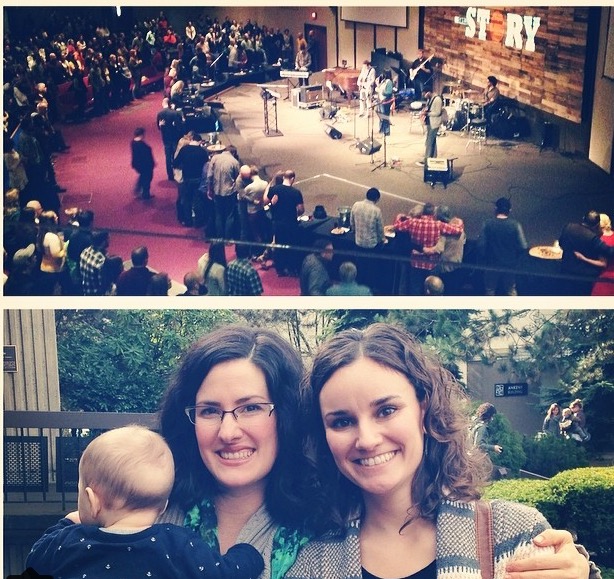
We visited Imago Dei in Portland and took communion next to my friend from high school.  Such a sweet moment of realizing we both used to drink wine to party, and we’re now drinking wine to remember the LORD and His grace.

Imago Dei

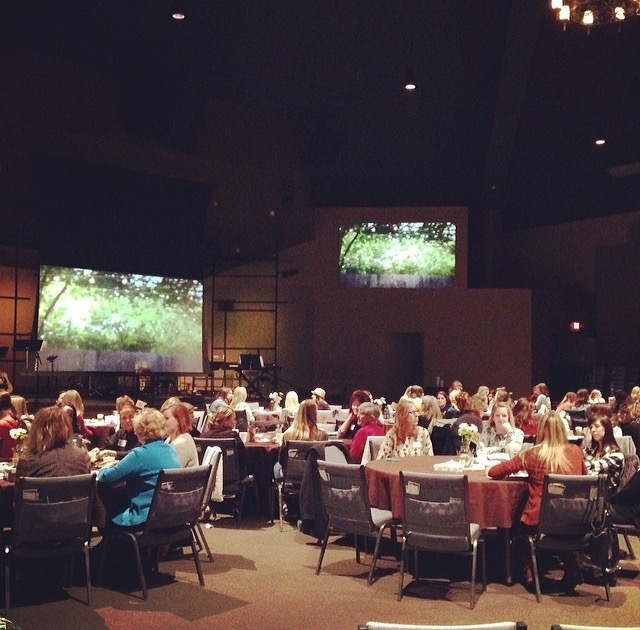
We hosted IF:Gathering at The Well.  Nearly 200 women came from different churches in our city, some even as far as the central coast, differences aside, united in Christ.

IF

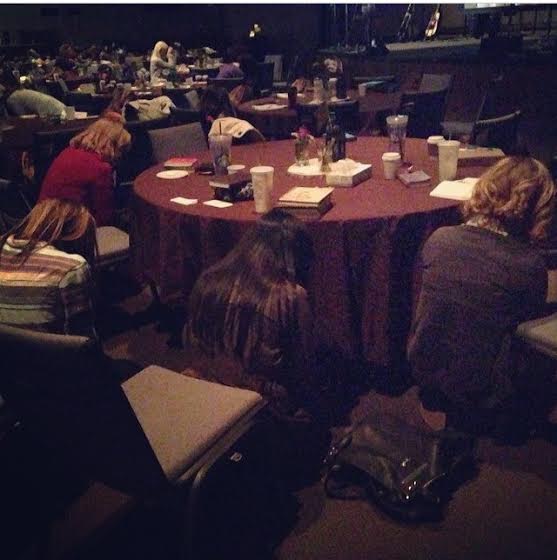
A marked moment of the women gathered kneeling in prayer.

unnamed

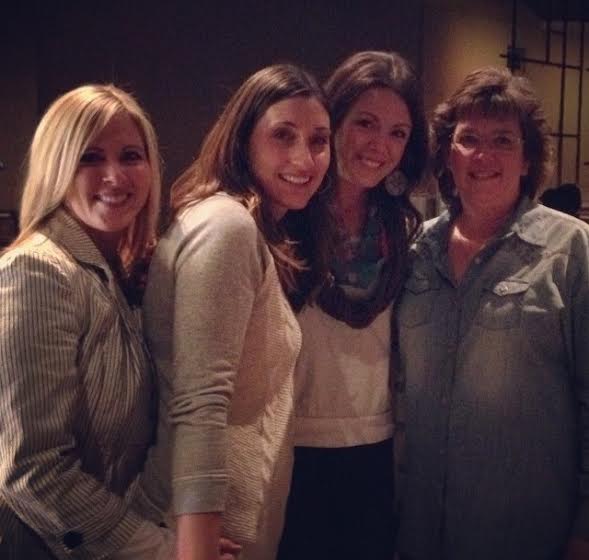
These encouragers.  Kim, Jen, Katie, Yvonne spur me on, challenge me, encourage me, and love me.  Grateful for these friendships!

unnamed-1

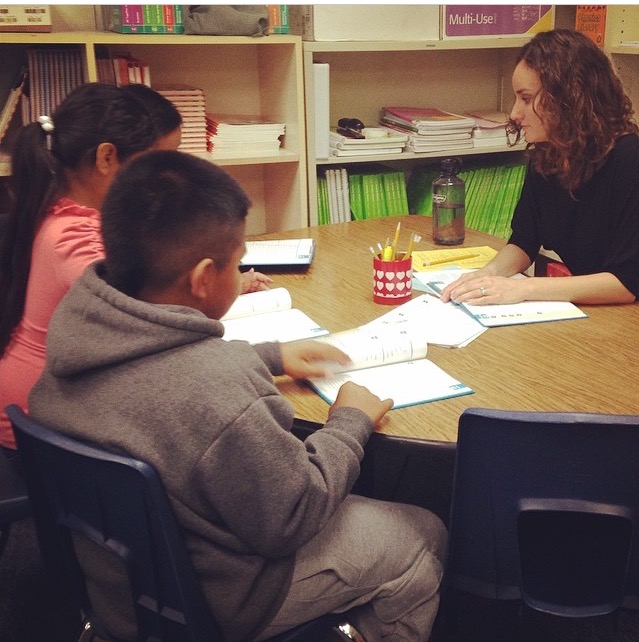
I visited some of my old students.  I taught them 3 years ago.

Students

This one.  Giovanni, forever on my heart.  What a year we had together.  I was sure he thought I was the hardest teacher he ever had. Until I saw him 3 years later, and he ran up to me, nearly knocking his desk over, and we hugged each other.  It was the sweetest reminder from the LORD that sometimes you have no idea the seed you are planting and the fruit it will bear until years later.

Giovanni

I started a new job at The Well, full time ministry shepherding women and leaders at the North Campus and partnering with this girl.  She is strong where I am weak, so grateful for her and her love for making phone calls and updating F1!

North

Starting a new job meant leaving an old job.  I said goodbye to teaching after 8 years.  I still miss Gustavo!

Teaching

In June, we celebrated 8 years of marriage!

8

Santino bought me a bike.  I tried the road bike thing like 3 times and realized I’m much more of a beach cruiser kinda gal.Bike

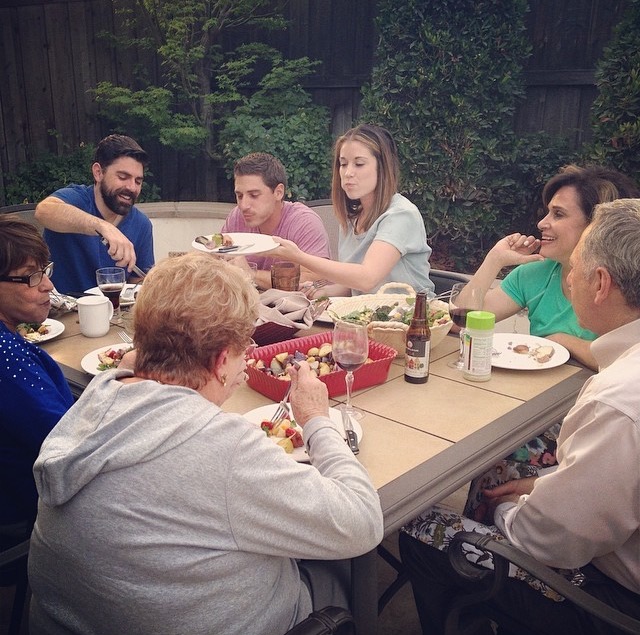
We celebrated Santino’s 33rd birthday exactly how he wanted, with his family around the table, in our backyard.

Family Meal

We spontaneously took a trip to San Francisco to catch a baseball game. Go Giants!

SF

Our neighbors have become like our second family.  We just love this little lady Ellie.

Ellie

This is all of us on Christmas Eve.  Love those Cipollas.

Cips

I wrote my second bible study, and for the first time ever taught in front of about 200 women.  This was scary obedience, and yet I’ve never felt more clear about the call on my life to write and teach.

SOTM

We spent slow evenings at home, eating cookies and watching TV.  It’s these ordinary moments I love the most.

TV and Cookies

A week of rest at the coast.

Coast

We celebrated a year at Self Talk the Gospel!  Many articles, readers, and writers.  Such a blessing!

STG

Grateful to partner with these two (terrible picture, great people).

stg

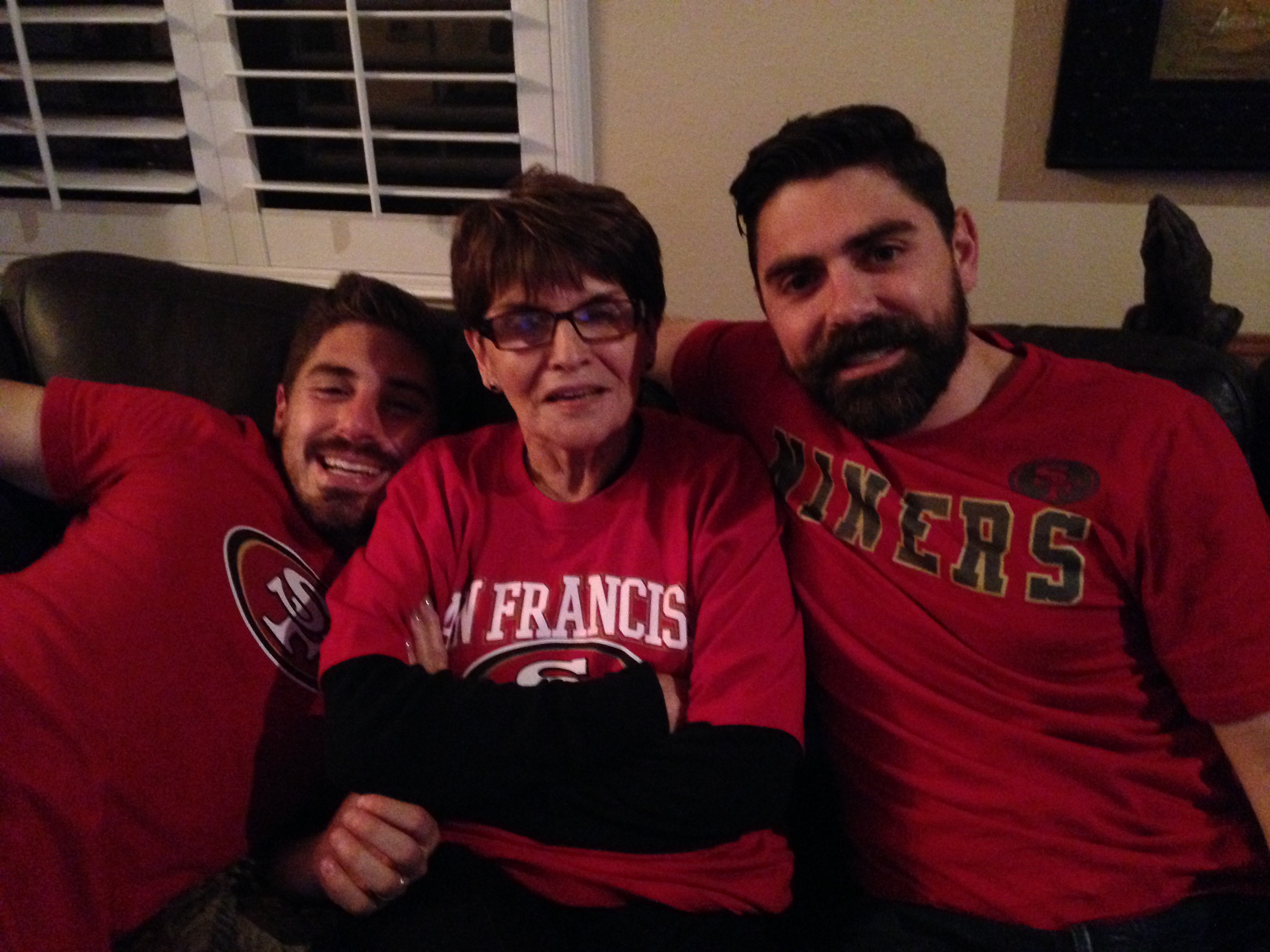
Watched lots of 49ers games with the family (even though they’re the worst right now).

49ers

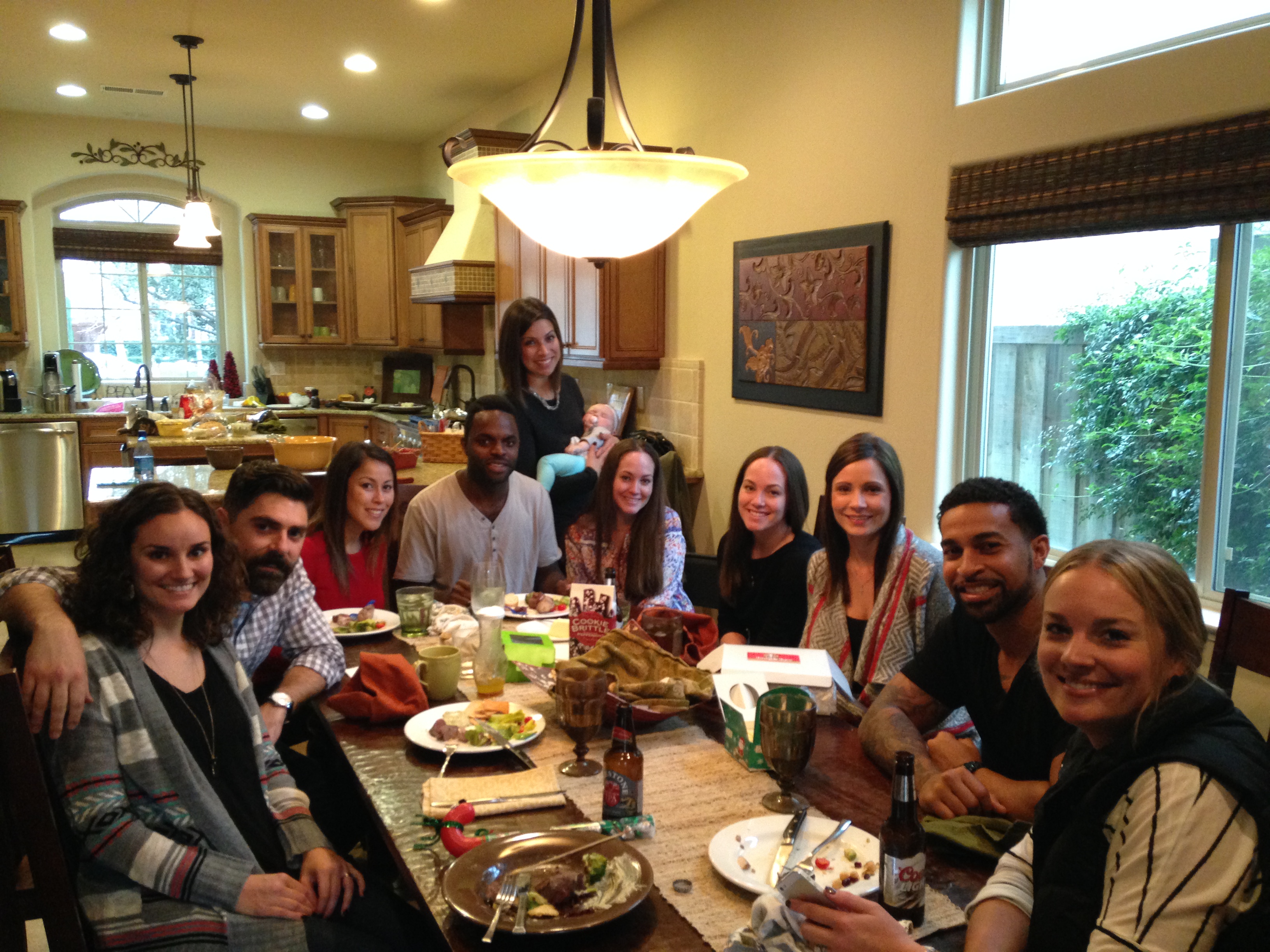
Celebrated Christmas with friends from high school.

Friends

Santino built these awesome bookshelves for our room.  We’re moving our office to our bedroom, it’s been a fun design and DIY project!

Bookshelves

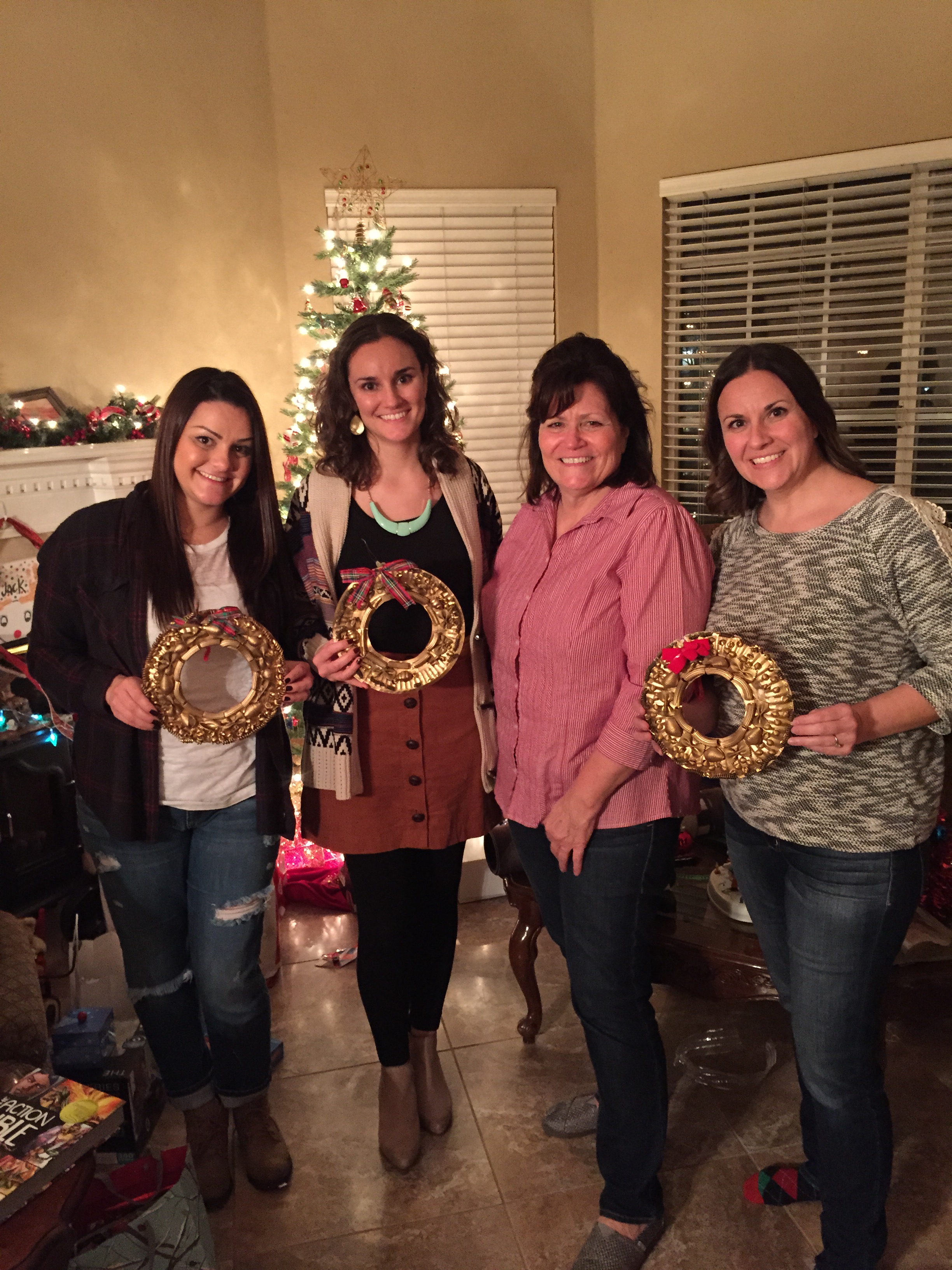
Christmas with my family, my mom still hanging our gold macaroni wreaths each of us made in kindergarten!

Lynn Girls

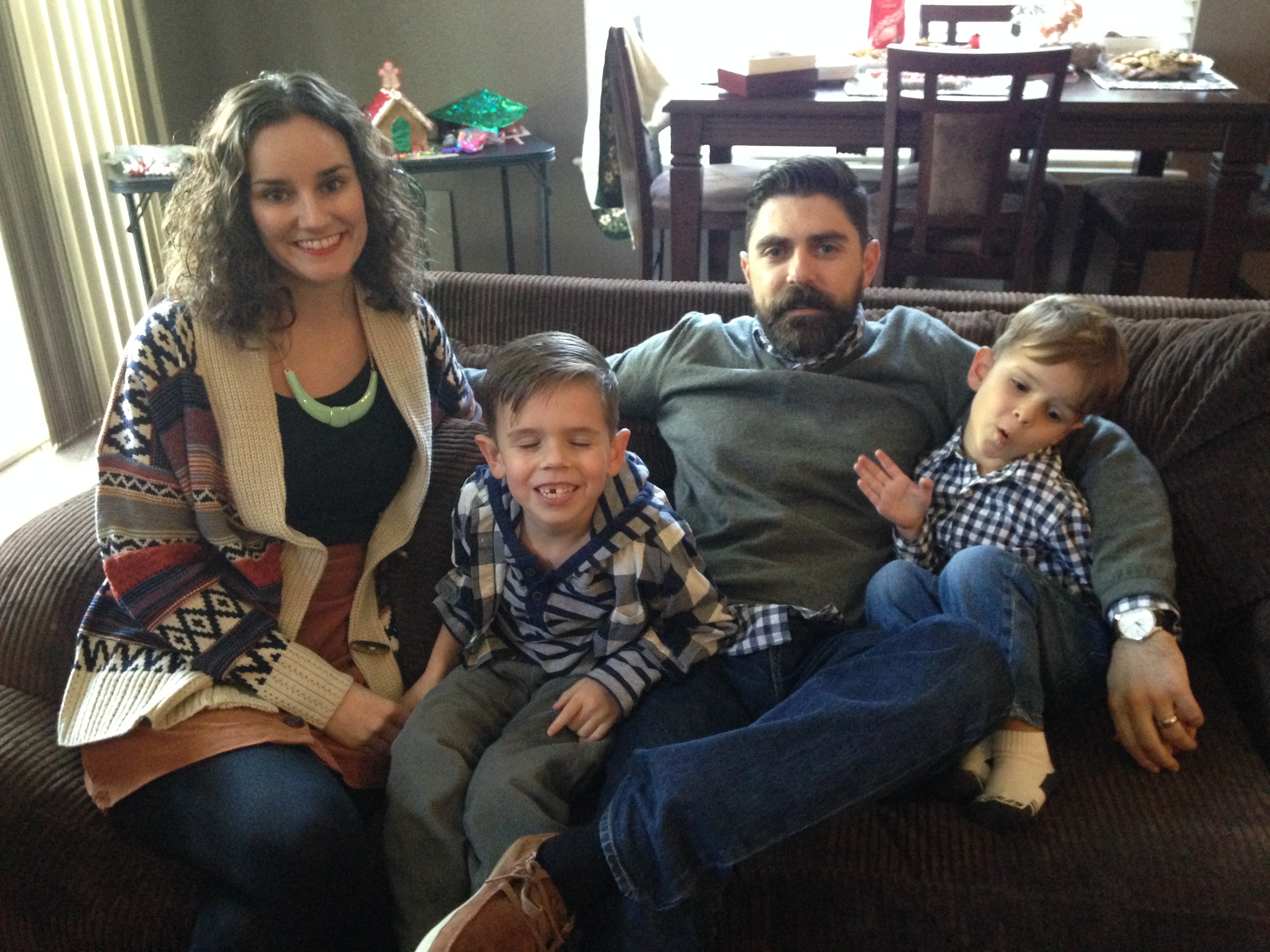
50 attempts of taking a picture with my nephews who are growing so fast!  This was my favorite.

Nephews

Lots of slow, quiet evenings at home.  I had such a full year, that I said no to a lot during the week to keep from being so busy and enjoyed slower evenings at home.

Home

There is much more that happened this year, hard, good, ordinary, and fun that isn’t captured.  I’m ending this year and starting next year with Sabbath, a few days to rest, slow down, delight, and enjoy all that God has done in 2014 and look forward to 2015.

I’m teaming up with OneWord365.com and Self Talk the Gospel to pick one word to meditate on for 2015.  I’ll post more in a couple of weeks.  

One Word

I hope you’ll take some time today to reflect on your year, how you use social media, and what you are hoping for in 2015.  I’d love to hear your reflections!

In love,

-Melissa

Pearls to Pigs

“Do not give what is holy to dogs, and do not throw your pearls before swine, or they will trample them under their feet, and turn and tear you to pieces.” (Matthew 7:6)

I can remember a time in my life having a conversation with someone I loved deeply and crying, literally tears streaming down my face as I offered over and over the free gift of salvation in Christ Jesus saying “Don’t you want life and life abundant?” and their response was not what I expected.

Rather than jumping to receive the gift, they rejected and turned away.

Not everyone who hears about Jesus will embrace his gift. Some will even hate you for offering it.
(Side note: I do NOT recommend this evangelism technique, it’s awkward and weird.)

The Gospel, the most precious jewel of life, won’t be desired by everyone.

There will come a time in your life, if it hasn’t already, when you will have to turn and walk away. At some point though we share and offer our pearls, we have to realize not everyone will receive it.

Jesus even told Peter in Matthew 10:14, that if he is in a household that doesn’t receive the good news, to shake the dust from his feet and move on.

I don’t like this. I don’t like Jesus advice here. I don’t like thinking that some will reject Christ. Deep down, I want to know that if I just talk enough, and explain clearly, and cry people will listen and hear and desire Jesus!

But the reality is, not everyone will accept this precious pearl. At some point, we have to realize when we are talking to others, if they begin to reject or hate or oppose, it may be best to shake the dust from our feet.

This doesn’t mean we stop loving or stop relationship with them, it just means having enough to discernment to know when someone is closed off from God. Our job as peacemakers and evangelists is not to force feed, but to cultivate a hunger and a thirst for God.

If our actions seem to give someone distaste in his or her mouth for the LORD, we need to remember this verse. We need to remember too much salt is disgusting, and shining light directly in someone’s eye is painful. We salt and shine, we speak and offer, but we can’t force others to eat and enjoy.

We have to walk in wisdom and know when it’s time to pull back and walk away.

1. According to these verses, will everyone who hears about Jesus embrace the Gospel? What are we to do if they don’t?

2. Have you experienced a time when someone tried to force-feed you? How did that make you feel?

3. Is there someone in your life who you desire to know Jesus? How can you continue to love them without force-feeding?

What Do You Seek First?

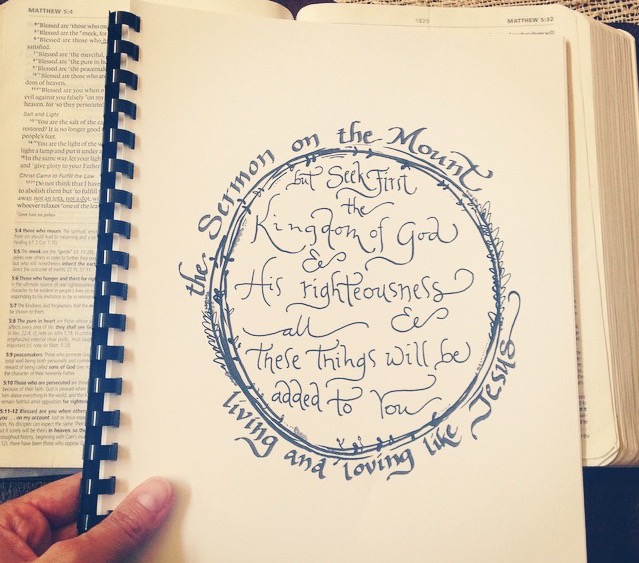
“But seek first His kingdom and His righteousness, and all these things will be added to you.” (Matthew 6:33)

If we learn nothing else from the Sermon on the Mount, let it be this.

In preaching, there is something called the C-Note (no not the $100 bill c-note). The C-Note is the main point, or in one sentence or verse a summary of the message. Matthew 6:33 is Jesus’ C-Note.

If we had to summarize Jesus whole Sermon on the Mount in just one verse, it would be this verse.

But seek first  . . . His Kingdom . . . His Righteousness

Just before this verse, Jesus spends nearly 12 verses telling us not to worry about earthly things, to trust in God and to think on heavenly things. In fact, it even seems as though he is reminding us that much of our anxiety and worrying comes from thinking about earthly things instead of heavenly things. We live in fear, worry, or doubt when we keep our eyes on earthly treasures and earthly circumstances rather than keeping an eternal perspective.

Our life is a battle for perspective. Jesus is showing us the remedy to worry is not control, but trust. If we can look beyond what’s in front of us, and remember to seek first His kingdom, all these things will be added to us.

When try to spin our wheels and make sure all of our earthly “ducks are in a row”, we end up consumed with control and our own circumstances. When we put God in His proper place and live for eternity, all the other things we worry about seem to fall in to place.

This is much easier said than done. I don’t know about you, but more often than not I am seeking first MY kingdom instead of God’s kingdom. I would say God has top priority in my life, but my worry-filled heart and busy hands would say otherwise.

Dr. Rick Taylor once preached to us “The opposite of faith is not doubt, but control”. When I am walking by faith, I can trust that God is for my good and pursuing Him takes away my worry and fear. When I am trying to control every one of my circumstances, I end up feeling like I need to fix everything and spiral into anxiety.

Someone once said, “Anxiety comes from not believing God has your best interest”. Others have traced worry and anxiety back to pride, which is really thinking you can control the outcome better than God.

Whatever the source of anxiety, it’s clear to me that Jesus is telling us a remedy:

Seeking first His kingdom.

When we focus too much on ourselves, and our circumstances, it usually breeds unhealth through fear, worry, doubt, and control. When we focus on God and seeking Him, it usually brings peace and comfort, a deep sense of trust and faith.

Let’s seek first His kingdom and His righteousness, and trust that all these things will be added to us.

  1. Read 2 Corinthians 4:16-18. What does Paul tell us to focus on in these verses?
  1. How much of your fear, worry, and anxiety is rooted in seeking first your kingdom as opposed to God’s?
  1. What anxious thoughts and worry preoccupy your thought life? How can you preach truth to yourself in the midst of these thoughts?


Storing Up Treasure

Read Matthew 6:19-24

19 “Do not store up for yourselves treasures on earth, where moth and rust destroy, and where thieves break in and steal. 20 But store up for yourselves treasures in heaven, where neither moth nor rust destroys, and where thieves do not break in or steal; 21 for where your treasure is, there your heart will be also.

22 “The eye is the lamp of the body; so then if your eye is clear, your whole body will be full of light. 23 But if your eye is bad, your whole body will be full of darkness. If then the light that is in you is darkness, how great is the darkness!

24 “No one can serve two masters; for either he will hate the one and love the other, or he will be devoted to one and despise the other. You cannot serve God and wealth.

For many of us, we have grown up in a world where we have been told a true sign of success is owning a home, a nice car, and enjoying the luxuries that materialism has to offer. It’s kind of the goal or point of life, to finish school, get a mortgage, and work the rest of your life to pay off the mortgage so you can retire and travel.

Okay, maybe I’m trivializing here, or over simplifying, but really, what were you told as a child? What is this “American Dream”?

I used to teach 3rd grade and I remember telling my students over and over how important it was to get an education. One day, one of them asked me “Why? Why do we need to learn to read?” To which I replied, “So you can go to college and get a good job.” They asked, “Why do I need a good job?” My response: “So you can buy a house and pay your bills!”

And that didn’t suffice. I mean, really? Am I really telling kids they need to learn so they can to college, to get a good job, to pay their bills and buy all the things.

Is that really it? Is that life and life abundant?

Now, I know there’s more to learning and getting an education than just finding a good job, but this was the best response I could come up with. And it stopped me dead in my tracks.

That is NOT what life is all about. A job, a house, a car, and designer handbags. But for many of us, that’s why we get up and go to work every day.

Someone said:  “We work jobs we hate, to buy things we can’t afford, to impress people we don’t even like.”

I don’t want to work at a job just so I can build a home.
I want to work at a job and build the kingdom.

Jesus is telling us here to lift our perspective a bit. To lift our eyes from the temporal, earthly treasures, and begin to envision building the kingdom and investing in heavenly treasures.

Our time, talent, and treasures aren’t meant for us to hoard and build our own kingdom. Our time, talent, and treasures are meant to be stewarded and used to build God’s kingdom.

Just last week my seminary professor was teaching us about giving. We asked, “How much should we give, what percent of our income?” He responded, “you know some people say 10%, but I don’t see an exact percent in the New Testament. I see the principle that it’s not about how much you give, it’s about how much you keep.”

It’s not about building our earthly kingdom and giving God just enough. It’s about building a heavenly kingdom because God has given us more than enough.

  1. What does Jesus compare/contrast in verses 19-21?
  1. List some “earthly treasures” and “heavenly treasures” below.
  1. What is the greatest treasure in your life? Do you invest more in earthly things or heavenly things?

Forgiveness

Read Matthew 6:12, 14-15
“And forgive us our debts, as we also have forgiven our debtors.

For if you forgive others for their transgressions, your heavenly Father will also forgive you. But if you do not forgive others, then your Father will not forgive your transgressions.”

One of the hardest things to do, one of the greatest obstacles in life, is to forgive those that have hurt you. And yet, forgiveness is the key to the Gospel and freedom.

Jesus tells a story in Luke 7 that teaches much about forgiveness.

“36 Now one of the Pharisees was requesting Him to dine with him, and He entered the Pharisee’s house and reclined at the table. 37 And there was a woman in the city who was a sinner; and when she learned that He was reclining at the table in the Pharisee’s house, she brought an alabaster vial of perfume, 38 and standing behind Him at His feet, weeping, she began to wet His feet with her tears, and kept wiping them with the hair of her head, and kissing His feet and anointing them with the perfume. 39 Now when the Pharisee who had invited Him saw this, he said to himself, “If this man were a prophet He would know who and what sort of person this woman is who is touching Him, that she is a sinner.”

40 And Jesus answered him, “Simon, I have something to say to you.” And he replied, “Say it, Teacher.” 41 “A moneylender had two debtors: one owed five hundred denarii, and the other fifty. 42 When they were unable to repay, he graciously forgave them both. So which of them will love him more?” 43 Simon answered and said, “I suppose the one whom he forgave more.” And He said to him, “You have judged correctly.” 44 Turning toward the woman, He said to Simon, “Do you see this woman? I entered your house; you gave Me no water for My feet, but she has wet My feet with her tears and wiped them with her hair. 45 You gave Me no kiss; but she, since the time I came in, has not ceased to kiss My feet. 46 You did not anoint My head with oil, but she anointed My feet with perfume. 47 For this reason I say to you, her sins, which are many, have been forgiven, for she loved much; but he who is forgiven little, loves little.” 48 Then He said to her, “Your sins have been forgiven.” 49 Those who were reclining at the table with Him began to say to themselves, “Who is this man who even forgives sins?” 50 And He said to the woman, “Your faith has saved you; go in peace.”

If we have been forgiven most, than we should be the most forgiving. When we truly understand the Gospel, when we truly understand God’s forgiveness with us, we should have no response but to be forgiving toward others.

Those who have been forgiven much should love much.

1. List some ways Jesus talks about forgiveness in Matthew 6:12-15.

2. In what ways do you struggle to forgive others? Write out an action step you can take this week to forgive.

3. When did you understand God’s forgiveness toward you? Remember that today, and preach the Gospel of grace and forgiveness to yourself this week.

Our Daily Bread

 “Give us this day our daily bread.” (Matthew 5:11)

Many of us don’t know what it is like to live in reliance to just our daily sustenance. We may not be rich or well off, perhaps we’re even on a grocery budget, but praying for God to provide our daily bread is far from our tongues.

My friends tease me because I keep very little groceries in our house. We keep the minimum amount of food needed for 2 people, and we eat nearly all of the left overs so we don’t waste any food. And even in our home, if I didn’t go grocery shopping for a week, I’d still have enough food to survive. Sure we’d eat some weird meals, but I wouldn’t starve. I have a refrigerator and a pantry, and if I had to make bean burrito sandwiches and serve them with green olives, I could.

We as Americans really don’t know what it’s like to rely on God for our needs. I think when we can afford iPhones, cable TV, hair dye, and make-up; we’re a little out of touch of what “daily bread” really is.

Imagine for a moment you literally had no idea where your next meal was coming from. Not your next paycheck to make your car payment or credit card bill, but your next meal.  As in you have so little, you don’t know what you will eat for lunch in 3 hours.

This is how Jesus is teaching us to pray. He’s teaching us to pray for manna, not for Costco. He’s teaching us to rely on Him daily, to look to Him to meet our need each day.

Proverbs 30:7-9 says:

“Two things I asked of You, 
Do not refuse me before I die: 
Keep deception and lies far from me,
Give me neither poverty nor riches;
Feed me with the food that is my portion,
That I not be full and deny You and say, “Who is the Lord?”
Or that I not be in want and steal,
And profane the name of my God.

Giving us abundance makes us self-sufficient. Giving us too little makes us beg, steal, and borrow. Giving us just enough makes us thank God and trust in Him.

Give us today our daily bread. Lord would you meet our need.

“The Lord is my portion,” says my soul, 
“Therefore I have hope in Him.”

(Lamentations 3:24)


  1. What is the meaning of “daily bread”?
  1. What are some of the daily needs you have?
  1. In what ways do you trust God to provide? In what ways are you more self-sufficient?